Water damage restoration built for Baltimore
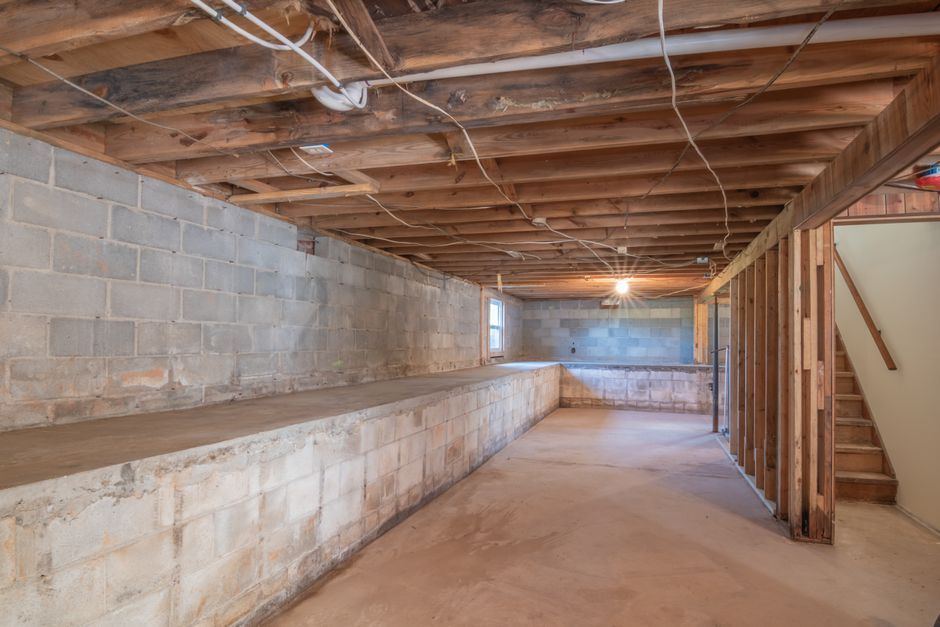
If you're in one of Baltimore's classic brick rowhouses, you're in one of the oldest housing stocks in the mid-Atlantic — most built between 1870 and 1940, sitting on unreinforced brick or rubble-stone foundations with no waterproofing membrane at all. That's why basement seepage and below-grade moisture after heavy rain aren't a sign of anything you did wrong, and why the original cast-iron and galvanized supply lines in a house this age are well past their expected service life and prone to pinhole leaks or full failures.
Baltimore's humid subtropical climate means long, wet summers with heavy downpours and the occasional tropical-system remnant moving up the mid-Atlantic — if a clean-water pipe burst or roof leak sits in your rowhouse basement during warm, humid weather, it can escalate from Category 1 to Category 2 or 3 faster than you'd expect.
The city's water and sewer infrastructure is decades past its original design life, and main breaks and localised sewer backups are a documented, publicly acknowledged strain on the system — if you're on the older end of that network, you're seeing more frequent Category 3 black-water events than newer suburban construction does.
Common water damage causes in Baltimore
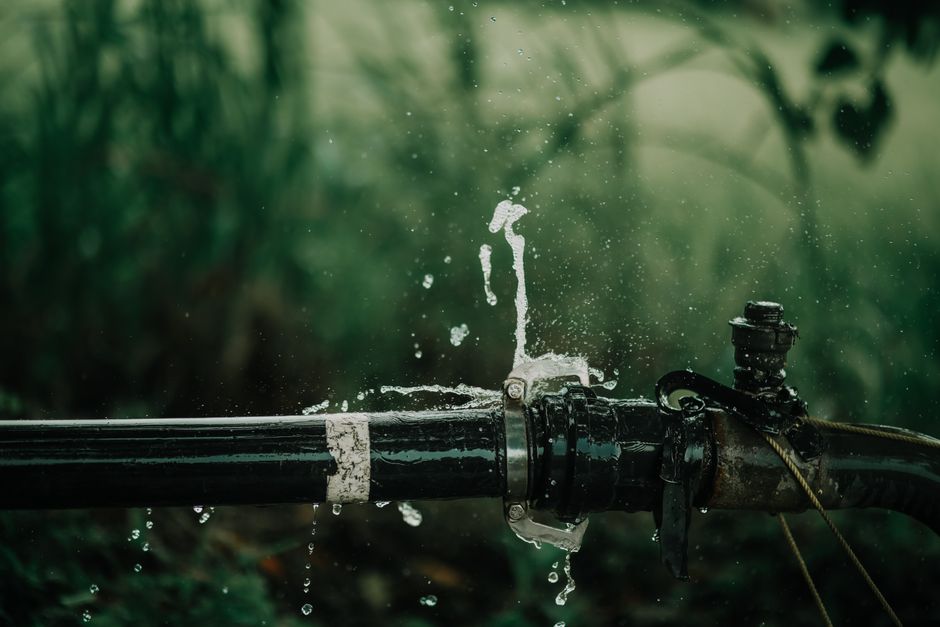
- Burst supply-line pipe (aging galvanized or cast-iron stock in rowhouse basements)
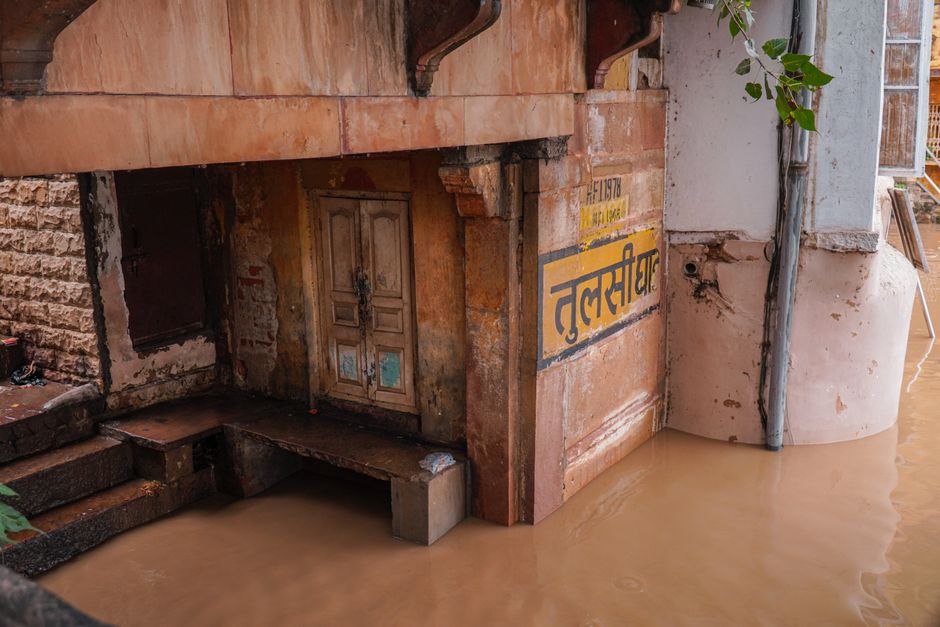
- Basement seepage or flooding after heavy rain (unwaterproofed historic foundations)
- Sewer backup (Category 3 black water, aging municipal lines)
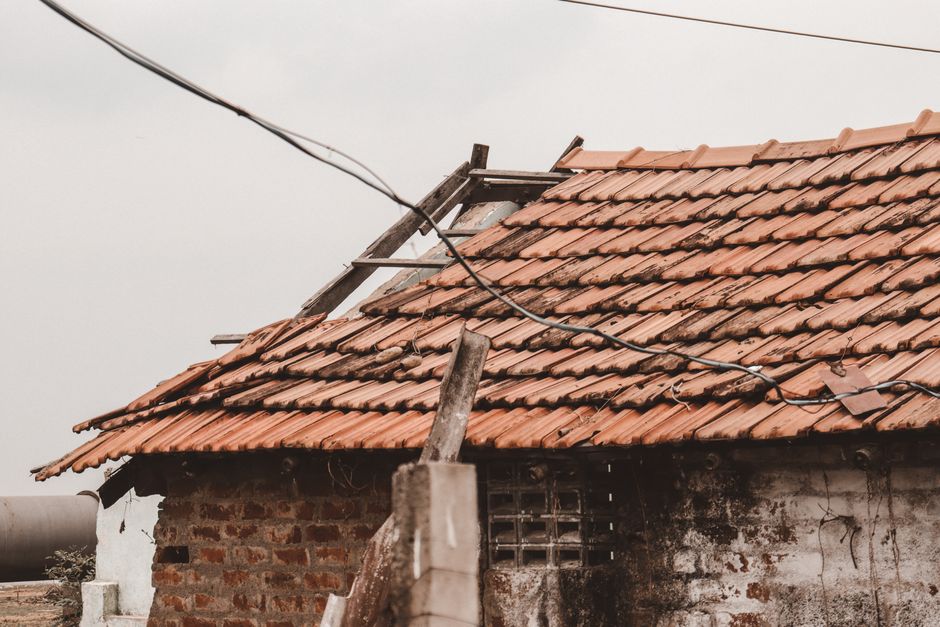
- Roof leak following storm damage on older roof assemblies
We serve Inner Harbor, Fort McHenry, Johns Hopkins Hospital, Maryland Science Center, Baltimore Convention Center and the wider Baltimore area across ZIP codes 21201, 21202, 21205, 21206, 21211, 21213, 21217, 21218, 21223.