24/7 Water Damage Restoration
IICRC S500-certified water damage restoration — 24/7 emergency response across Baltimore, New Jersey, and Miami FL.
Licensed water damage restoration — call to schedule
- IICRC S500 Certified
- Licensed & Insured
- 24/7 Emergency Response
- Free Damage Assessment
Our Water Damage Services
From emergency water extraction to structural drying and final clearance — every step of the IICRC S500 process, handled by licensed water damage restoration contractors.
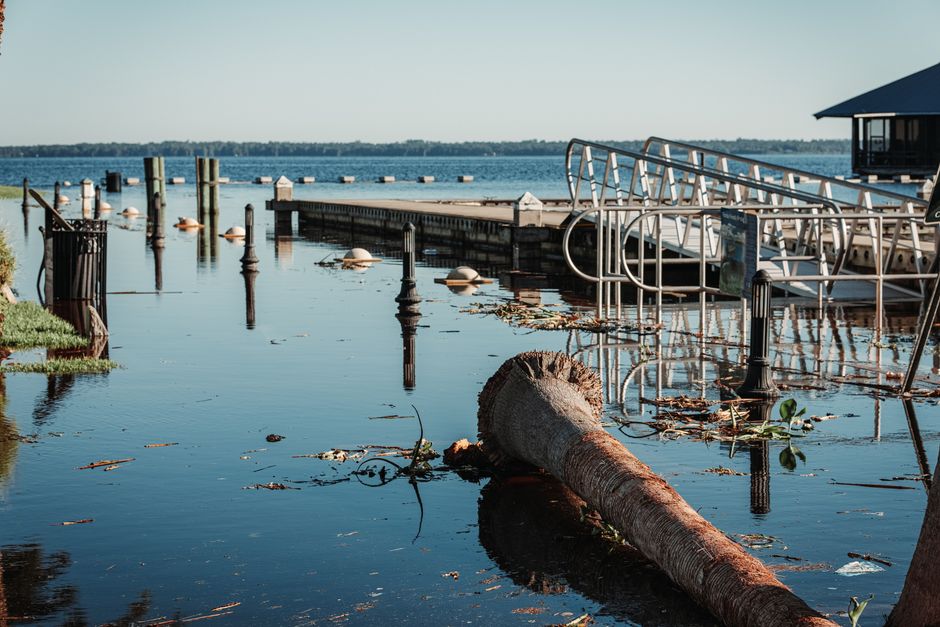
Water Damage Restoration
Water damage restoration follows the IICRC S500 standard: water source classification (Category 1, 2, or 3), immediate extraction, structural drying with LGR dehumidifiers and air movers to documented drying goals, daily moisture monitoring, and mold-prevention verification before reconstruction begins.
Learn more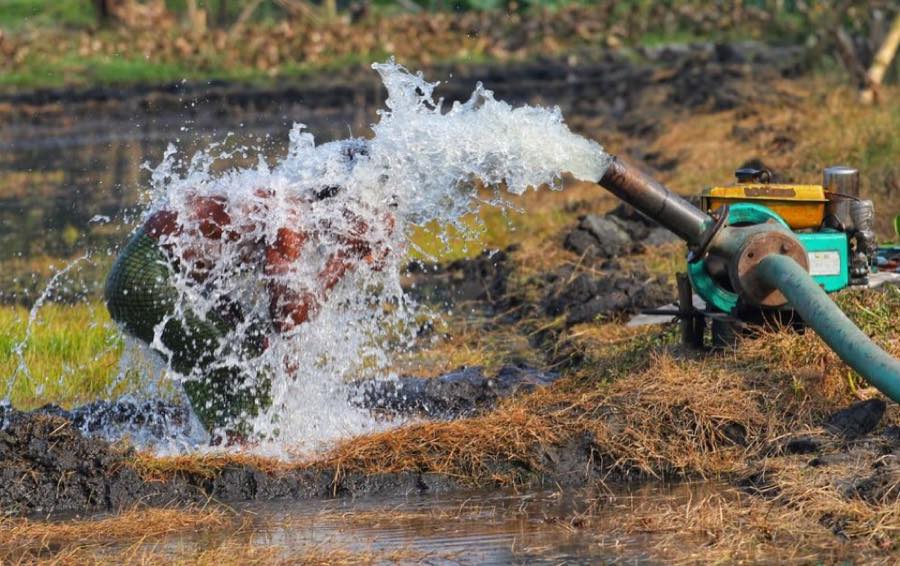
Emergency Water Removal
Emergency water removal uses truck-mounted extraction units, submersible pumps, and high-capacity wet vacuums to eliminate standing water within hours of a loss event, stopping further absorption into building materials and resetting the 48-hour mold clock.
Learn more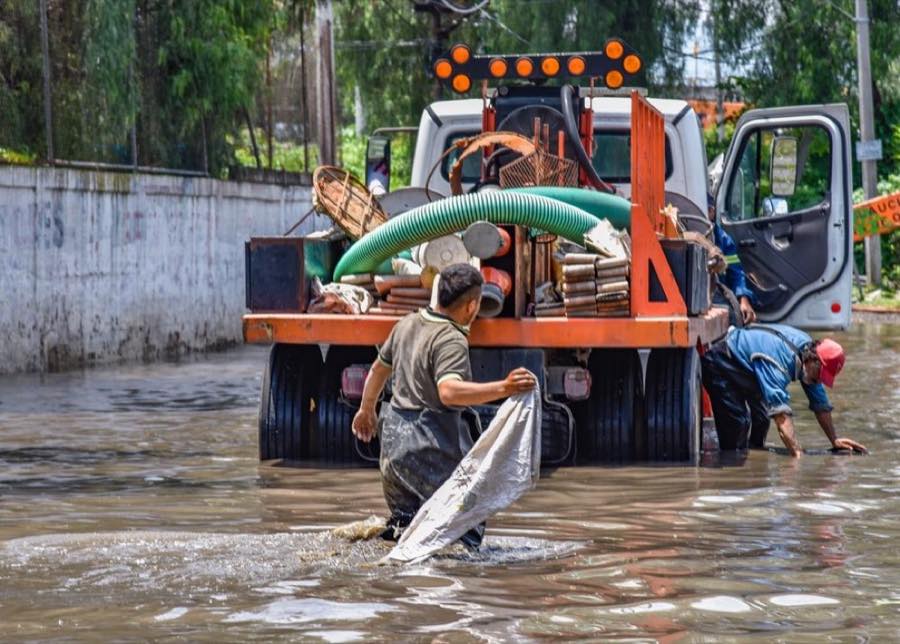
Flood Cleanup
Flood cleanup following a storm or external flooding event involves Category 3 water protocols — biohazard extraction, antimicrobial treatment of all affected surfaces, removal of non-salvageable porous materials, structural drying, and post-cleanup verification before reconstruction can begin.
Learn more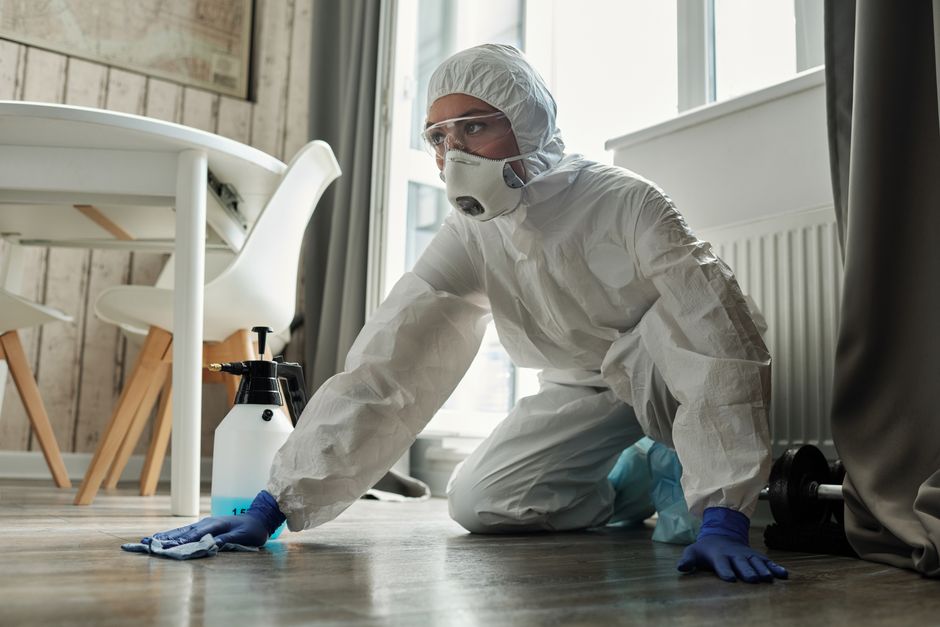
Sewage Cleanup
Sewage cleanup requires full Category 3 biohazard protocols under IICRC S500 — immediate extraction with P100 respirators and Tyvek suits, removal of all contaminated porous materials, antimicrobial treatment of structural surfaces, and post-cleanup verification before any occupied use of the affected area.
Learn more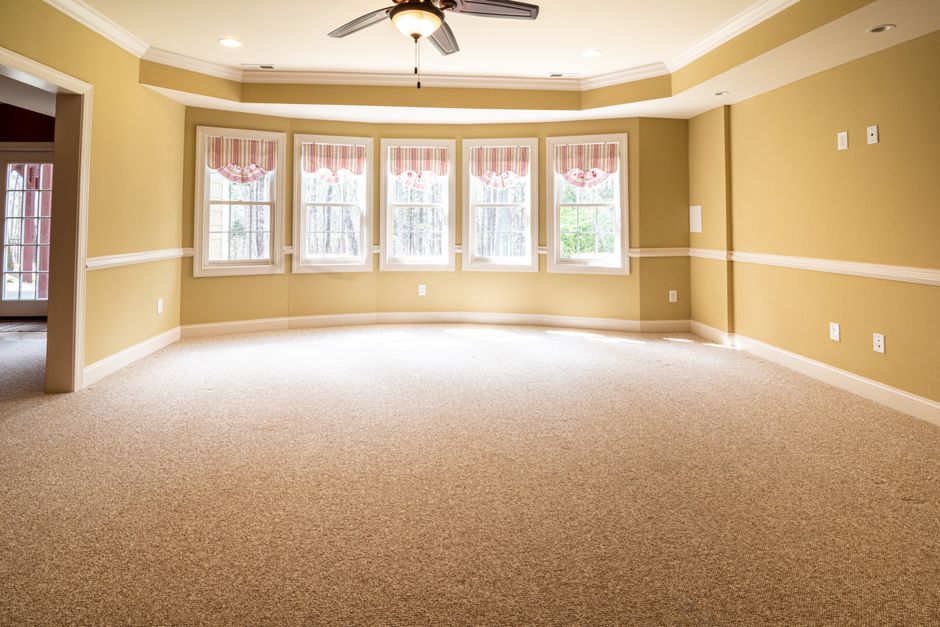
Structural Drying
Structural drying uses LGR dehumidifiers, high-velocity air movers, and daily moisture monitoring with calibrated meters to bring all affected building materials to IICRC S500 drying goals — the required standard before reconstruction can begin and the foundation of a defensible insurance claim.
Learn more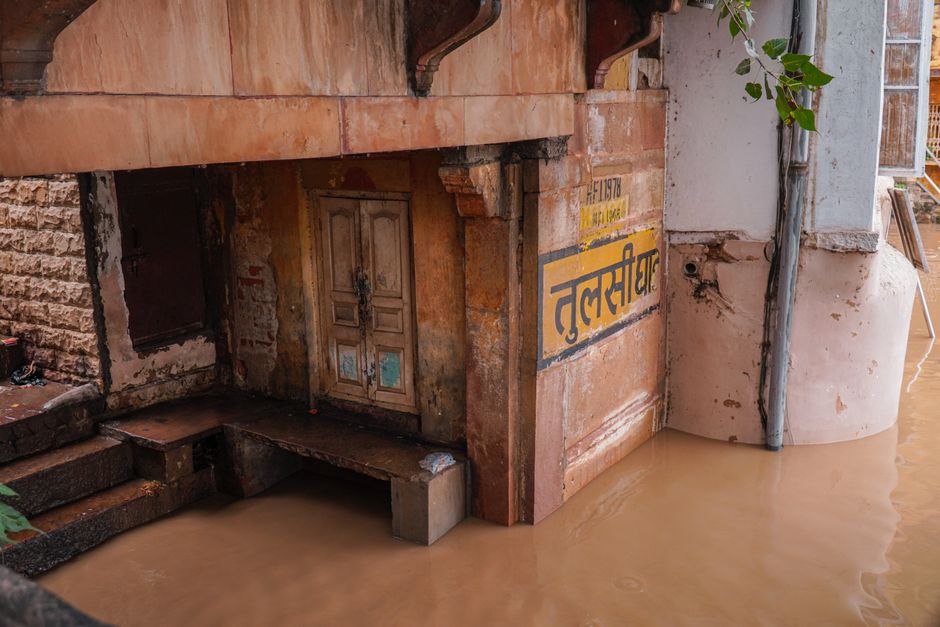
Basement Flooding Repair
Basement flooding repair requires immediate submersible pumping to remove standing water, Category-appropriate extraction and material removal, structural drying of concrete, framing, and finished surfaces to IICRC S500 goals, and moisture-source correction to prevent recurrence.
Learn more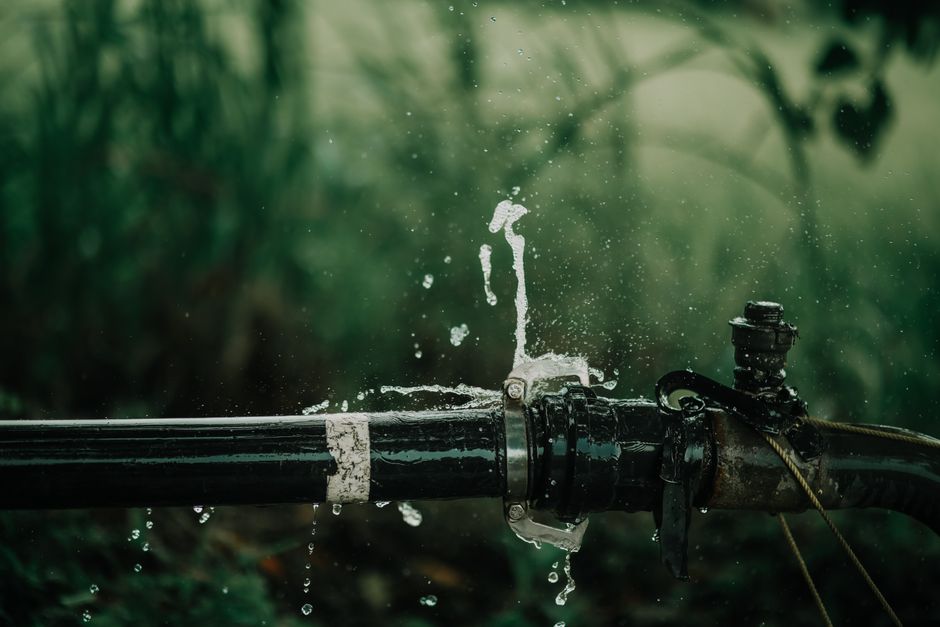
Burst Pipe Water Damage
Burst pipe water damage is typically Category 1 (sanitary supply water) when addressed immediately, allowing in-place structural drying of salvageable materials — but delay converts Category 1 to Category 2 and allows mold growth to begin, making same-day response and rapid extraction the decisive factor in total restoration cost.
Learn more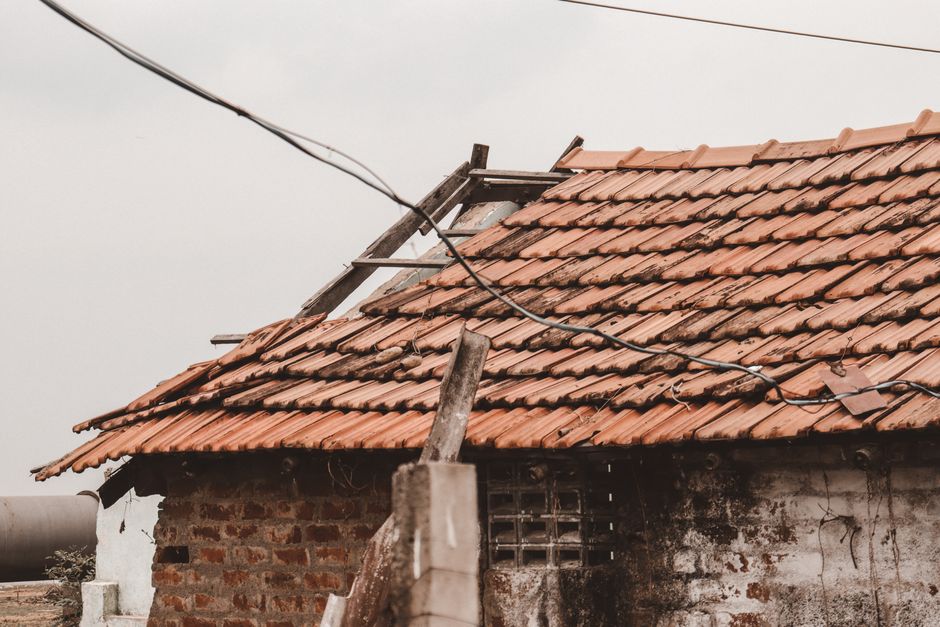
Roof Leak Water Damage
Roof leak water damage restoration removes wet insulation and drywall from affected attic and ceiling assemblies, dries structural framing to IICRC S500 goals, and documents the full scope for insurance — the roofing repair itself must precede restoration to prevent re-wetting.
Learn more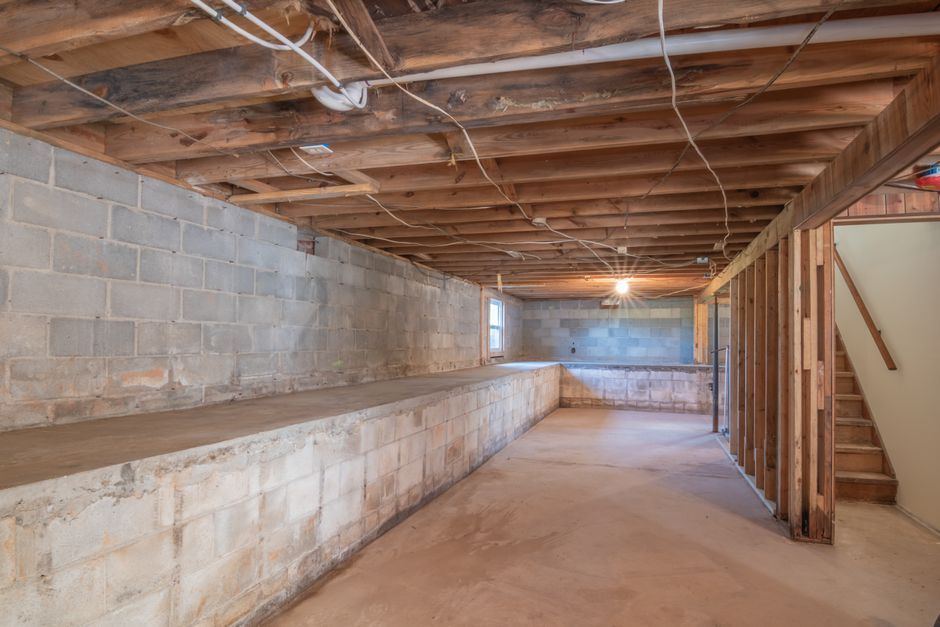
Crawl Space Water Damage
Crawl space water damage restoration removes standing water and saturated insulation, dries floor joists and subfloor framing to IICRC S500 moisture goals, treats any mold growth on structural wood, and installs a ground vapour barrier to prevent moisture reintroduction after drying.
Learn more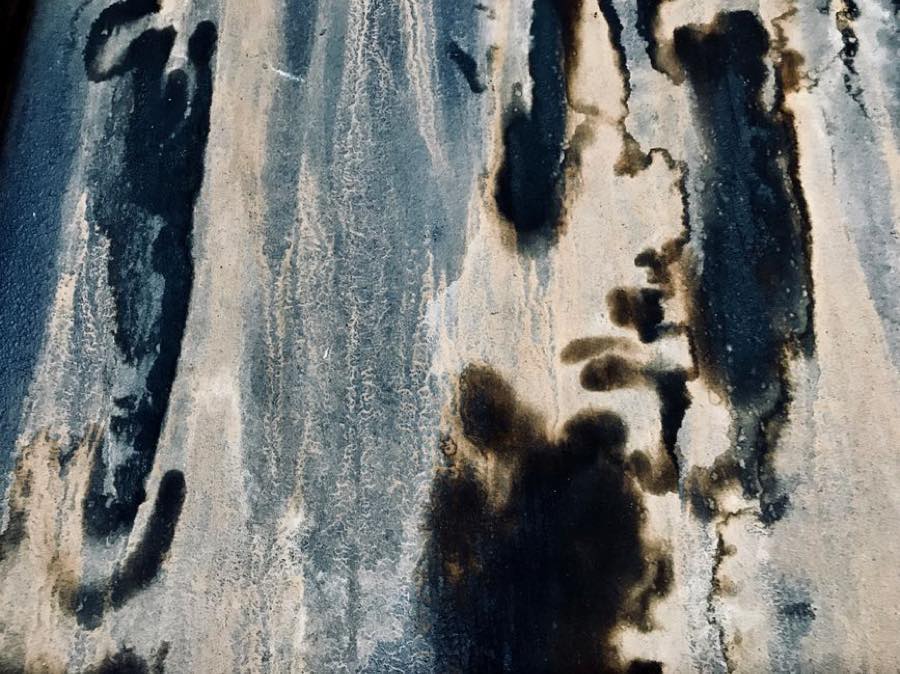
Mold Prevention After Water Damage
Mold prevention after water damage requires achieving IICRC S500 structural drying goals within 48–72 hours of the water event, applying EPA-registered antimicrobials to all Category 2 or 3-affected structural surfaces, and verifying completion with moisture documentation — there is no spray treatment that substitutes for proper drying.
Learn more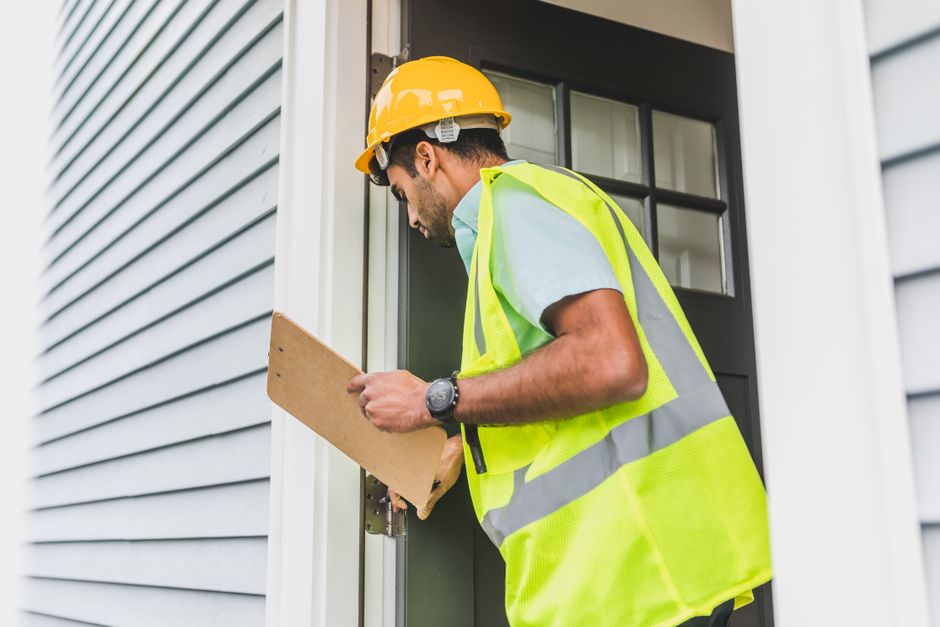
Water Damage Insurance Claim Help
Water damage insurance claims require IICRC-standard documentation — a complete moisture log from baseline through drying goals, itemised scope of materials removed, photo evidence of all damage, and water category classification — which Flood Damage Experts provides as standard with every job regardless of insurance carrier.
Learn more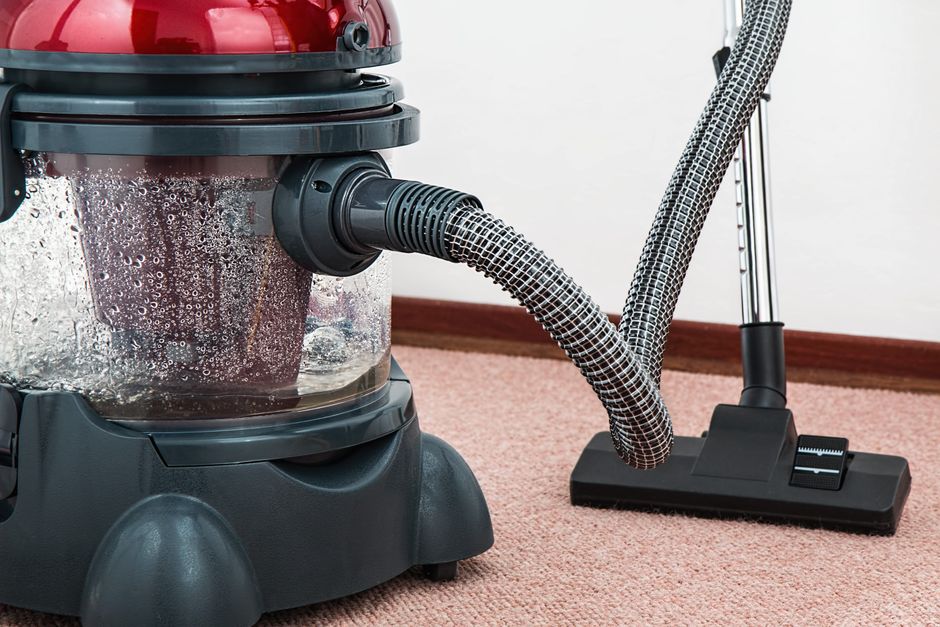
Carpet Water Damage
Carpet water damage assessment determines whether carpet can be dried in place (Category 1 water, fast response, structural subfloor not compromised) or must be removed — carpet pad is almost always non-salvageable regardless of water category, and Category 2 or 3 water contact renders carpet non-salvageable per IICRC S500.
Learn moreHow Water Damage Restoration Works
- 1
Assess
A certified technician conducts moisture mapping of the property to determine the water category (Category 1, 2, or 3) and class of damage (Class 1–4 by absorption and area), establishing the full scope before any work begins.
- 2
Extract
Truck-mounted vacuum extraction and submersible pumps remove all standing water from floors, basements, and cavities as rapidly as possible — every hour of delay increases material absorption and the risk of mould.
- 3
Dry
Industrial air movers and dehumidifiers are deployed to achieve the structural drying goals defined by IICRC S500. Equipment placement follows the class of damage; closed-cavity drying systems are used where water has entered wall cavities.
- 4
Verify
Daily moisture meter readings track drying progress across structural timber, drywall, and concrete. Work does not close until readings reach the equilibrium moisture content targets for each material type.
- 5
Restore
Antimicrobial treatment is applied to all affected surfaces. Unrecoverable materials are removed and replaced. A final clearance check confirms the property is dry and safe before handover.
Baltimore, New Jersey & Miami
Licensed water damage restoration contractors serving 55 locations across three markets.
Frequently Asked Questions
How quickly do you respond to water damage emergencies?
Flood Damage Experts offers 24/7 emergency response across Baltimore, New Jersey, and Miami. For active flooding — burst pipes, sewage backups, or storm damage — we target arrival within 60–90 minutes of your call.
What is IICRC S500 water damage restoration?
IICRC S500 is the Standard for Professional Water Damage Restoration. It defines the water extraction, structural drying, moisture monitoring, and documentation process that certified restorers follow to prevent mold and return a property to a dry standard.
Will my insurance cover water damage restoration?
Most standard homeowner's policies cover sudden and accidental water damage — burst pipes, appliance failures, storm damage. Gradual leaks and flooding from outside (storm surge, overland flooding) typically require separate flood insurance. We document everything to the IICRC standard so your adjuster has what they need.
How long does water damage drying take?
Most residential water damage jobs dry in 3–5 days with professional equipment — industrial air movers and dehumidifiers running continuously. Larger losses, concrete structures, or Category 3 (sewage) water can take longer. We monitor moisture daily with calibrated meters and don't close a job until readings hit the IICRC S500 drying goals.
What our customers say
Preview: sample layout. Replace with verified Google reviews before this goes to customers.
“Pipe burst at 11 pm on a Sunday. Flood Damage Experts had a crew out within two hours. They extracted the water, set up drying equipment, and walked me through the insurance documentation process. Dryout was complete in four days.”
“Basement flooded after heavy rain — about four inches of standing water. The team arrived quickly, extracted everything, and used industrial air movers and dehumidifiers. No mold. Really professional from start to finish.”
“Hurricane brought a foot of water into our ground floor. Flood Damage Experts handled the extraction, structural drying, and helped us document everything for the FEMA claim. Communication in Spanish made a stressful situation much easier.”
Got water damage? Let's fix it today.
Licensed, insured water damage restoration contractors. Call to schedule.