Skip to content
Licensed water damage restoration — call to schedule
ES
Flood Damage Experts IICRC S500 Certified Water Damage Restoration
Water damage restoration in Hackensack, NJ Photo placeholder

Water Damage Restoration in Hackensack

Flood Damage Experts provides IICRC S500-certified water damage restoration across Hackensack, NJ. We know the local buildings and the water damage risks that come with them.

Get Your Free Damage Assessment

Or call now: (888) 751-7055

Water damage restoration built for Hackensack

Hackensack sits on the Hackensack River floodplain, and lower-elevation properties — particularly closer to the river — carry the standard flood risk of any floodplain location during significant rain or storm events, with basement flooding the most common resulting damage.

The city's substantial stock of 1940s–1960s garden apartments and mid-rise residential buildings often has original or aging plumbing and mechanical systems; failed supply lines and appliance/HVAC condensate leaks are a routine source of interior water damage in buildings of this vintage.

Common water damage causes in Hackensack

  • Basement flooding after heavy rain
  • Burst supply-line pipe (older multi-family stock)
  • Appliance / HVAC leak
  • Sump pump failure

We serve Main Street Hackensack, Bergen County Courthouse, Anderson Street Station, Hackensack River and the wider Hackensack area across ZIP codes 07601, 07602.
Services

Water Damage Restoration Services in Hackensack

Tap a service for Hackensack-specific details.

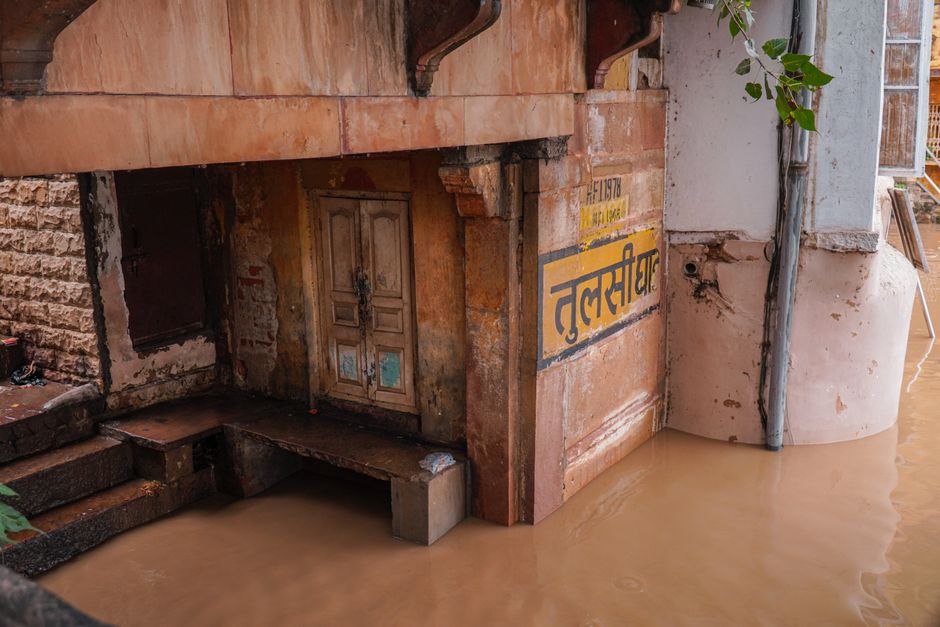
Flooded room floor showing standing water damage

Water Damage Restoration

Water damage restoration follows the IICRC S500 standard: water source classification (Category 1, 2, or 3), immediate extraction, structural drying with LGR dehumidifiers and air movers to documented drying goals, daily moisture monitoring, and mold-prevention verification before reconstruction begins.

Learn more
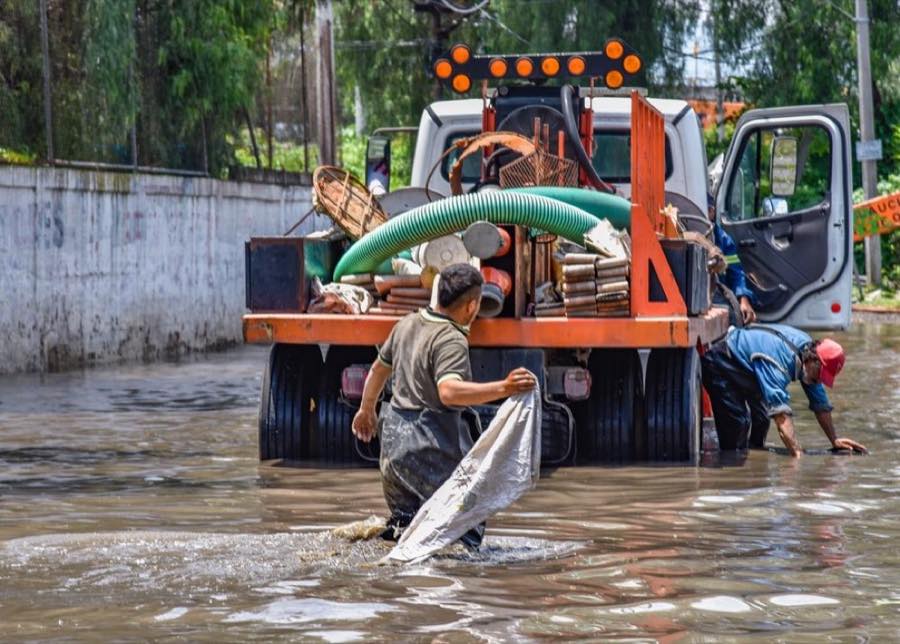
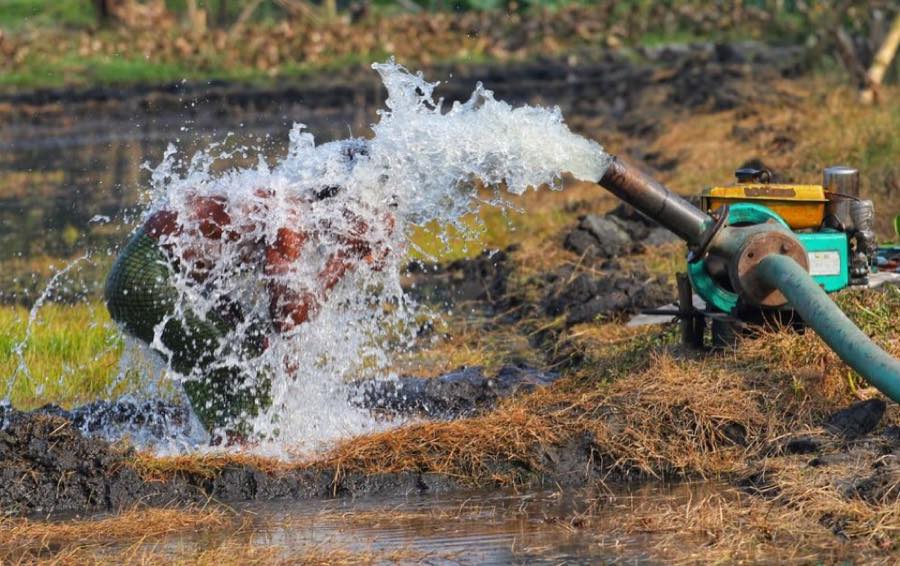
Pump and hose set up for emergency water removal from a flooded area

Emergency Water Removal

Emergency water removal uses truck-mounted extraction units, submersible pumps, and high-capacity wet vacuums to eliminate standing water within hours of a loss event, stopping further absorption into building materials and resetting the 48-hour mold clock.

Learn more
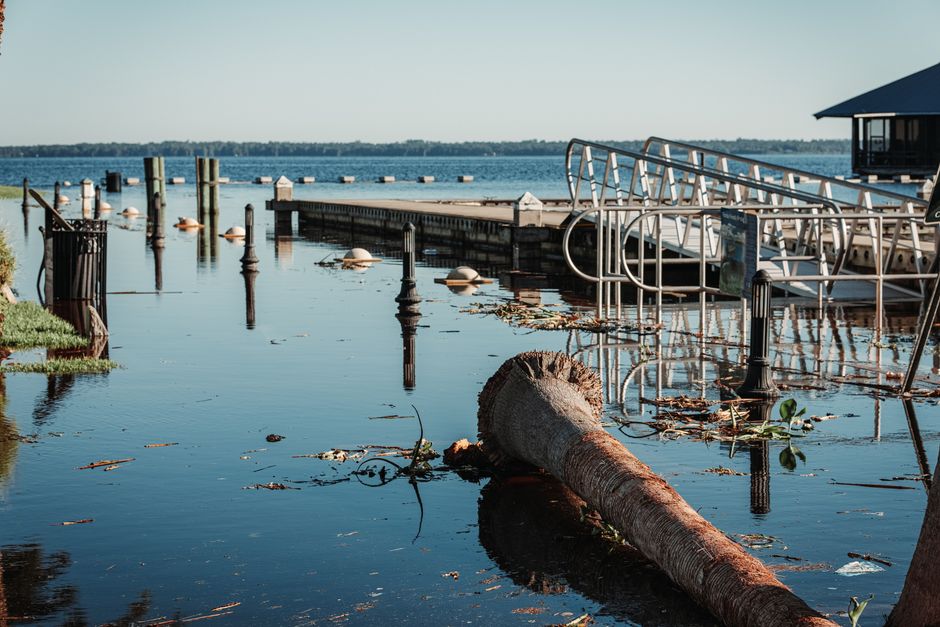
Crew responding to flood cleanup after heavy rain

Flood Cleanup

Flood cleanup following a storm or external flooding event involves Category 3 water protocols — biohazard extraction, antimicrobial treatment of all affected surfaces, removal of non-salvageable porous materials, structural drying, and post-cleanup verification before reconstruction can begin.

Learn more
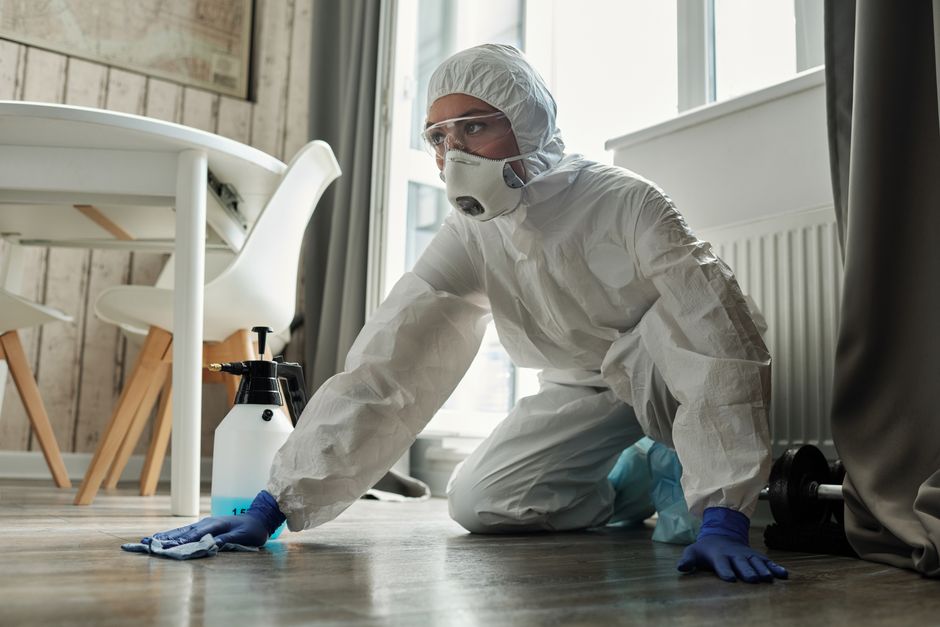
Technician in protective hazmat gear performing sewage cleanup

Sewage Cleanup

Sewage cleanup requires full Category 3 biohazard protocols under IICRC S500 — immediate extraction with P100 respirators and Tyvek suits, removal of all contaminated porous materials, antimicrobial treatment of structural surfaces, and post-cleanup verification before any occupied use of the affected area.

Learn more
Air mover positioned on a floor for structural drying

Structural Drying

Structural drying uses LGR dehumidifiers, high-velocity air movers, and daily moisture monitoring with calibrated meters to bring all affected building materials to IICRC S500 drying goals — the required standard before reconstruction can begin and the foundation of a defensible insurance claim.

Learn more
Flooded basement stairwell showing standing water

Basement Flooding Repair

Basement flooding repair requires immediate submersible pumping to remove standing water, Category-appropriate extraction and material removal, structural drying of concrete, framing, and finished surfaces to IICRC S500 goals, and moisture-source correction to prevent recurrence.

Learn more
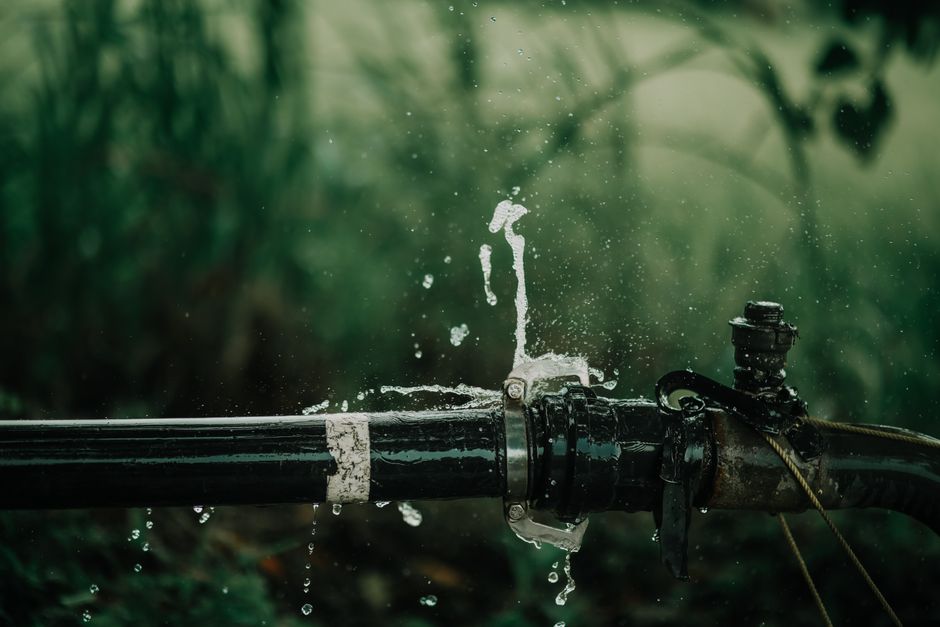
Burst water pipe causing a leak in a residential wall

Burst Pipe Water Damage

Burst pipe water damage is typically Category 1 (sanitary supply water) when addressed immediately, allowing in-place structural drying of salvageable materials — but delay converts Category 1 to Category 2 and allows mold growth to begin, making same-day response and rapid extraction the decisive factor in total restoration cost.

Learn more
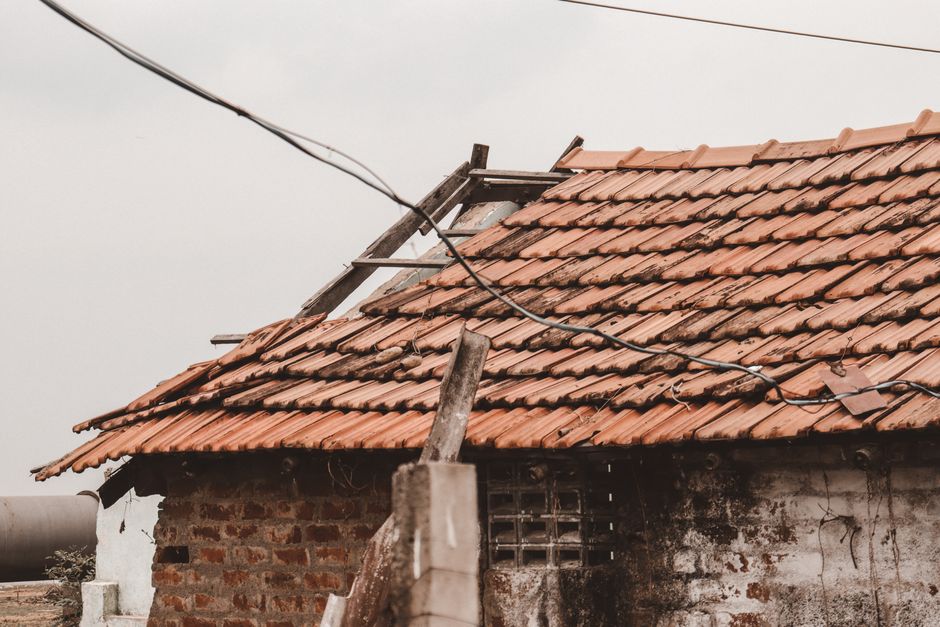
Storm-damaged roof shingles that can lead to a water leak

Roof Leak Water Damage

Roof leak water damage restoration removes wet insulation and drywall from affected attic and ceiling assemblies, dries structural framing to IICRC S500 goals, and documents the full scope for insurance — the roofing repair itself must precede restoration to prevent re-wetting.

Learn more
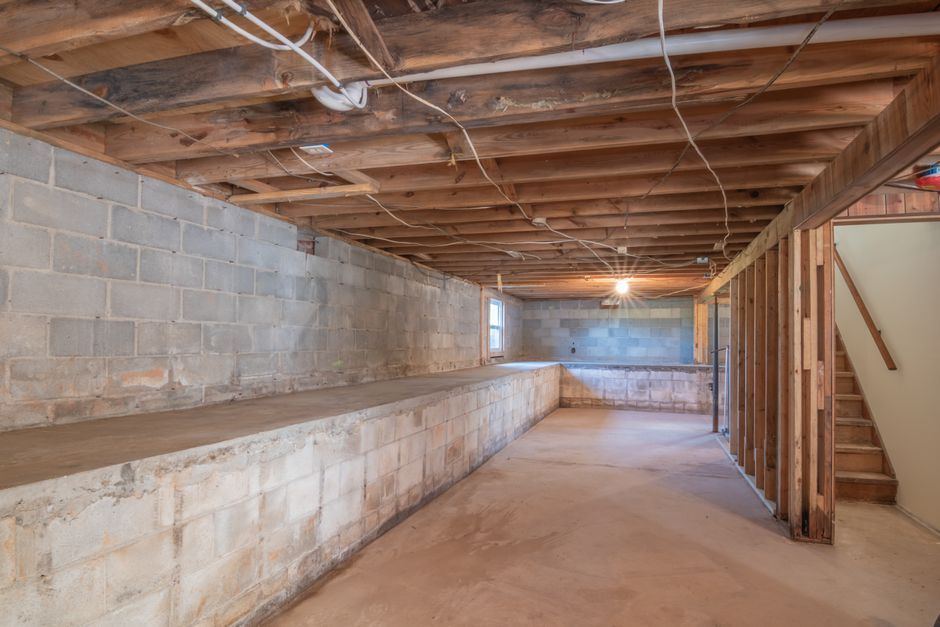
Damp crawl space beneath a house foundation

Crawl Space Water Damage

Crawl space water damage restoration removes standing water and saturated insulation, dries floor joists and subfloor framing to IICRC S500 moisture goals, treats any mold growth on structural wood, and installs a ground vapour barrier to prevent moisture reintroduction after drying.

Learn more
Mold spots developing on a damp wall after water exposure

Mold Prevention After Water Damage

Mold prevention after water damage requires achieving IICRC S500 structural drying goals within 48–72 hours of the water event, applying EPA-registered antimicrobials to all Category 2 or 3-affected structural surfaces, and verifying completion with moisture documentation — there is no spray treatment that substitutes for proper drying.

Learn more
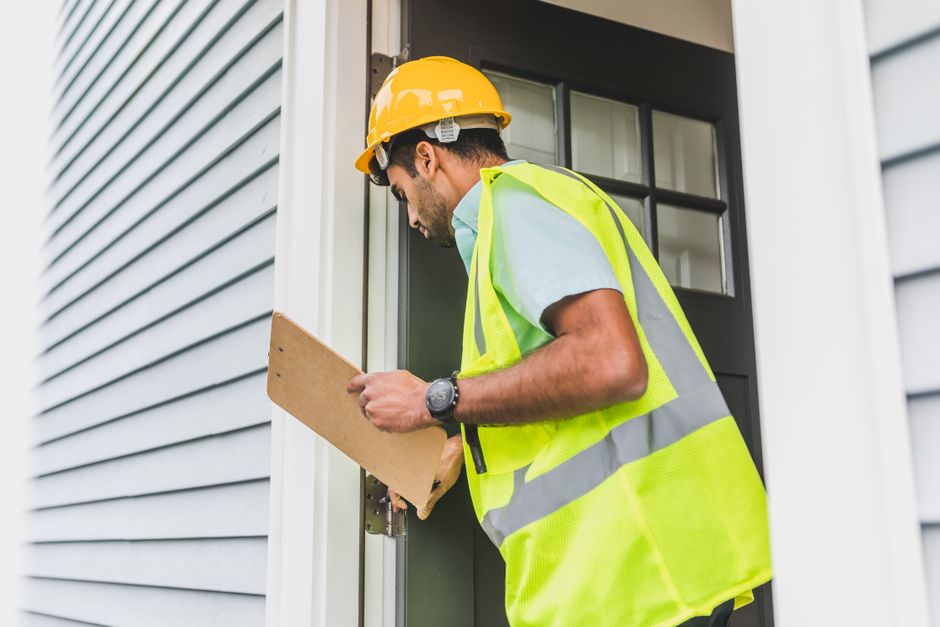
Inspector documenting property damage for an insurance claim

Water Damage Insurance Claim Help

Water damage insurance claims require IICRC-standard documentation — a complete moisture log from baseline through drying goals, itemised scope of materials removed, photo evidence of all damage, and water category classification — which Flood Damage Experts provides as standard with every job regardless of insurance carrier.

Learn more
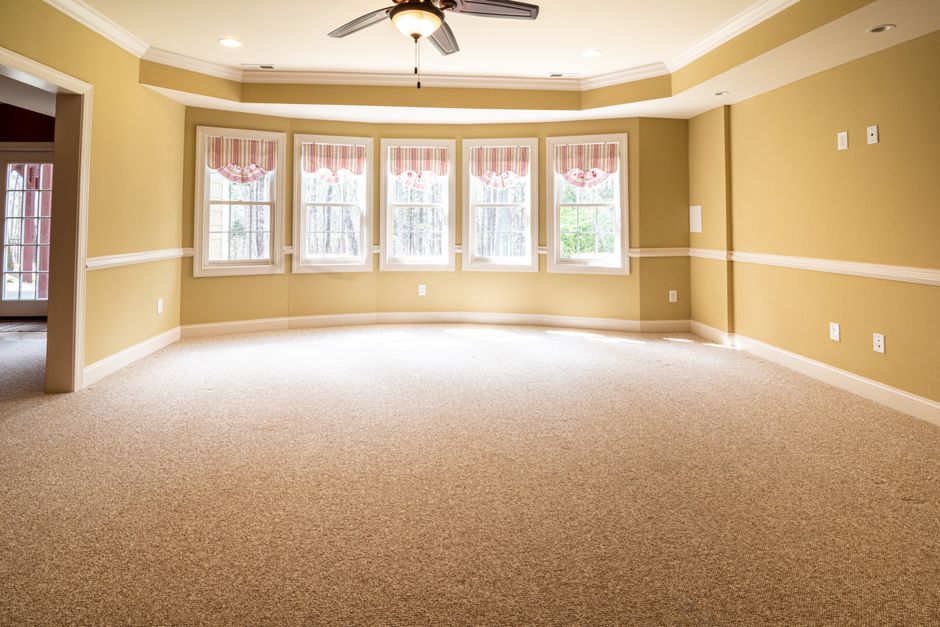
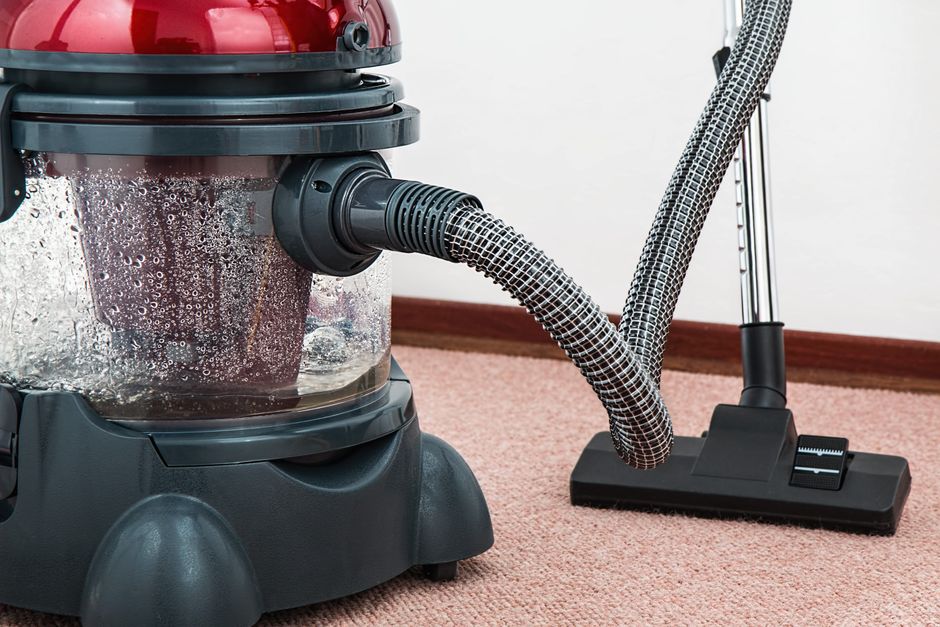
Wet, stained carpet showing water damage

Carpet Water Damage

Carpet water damage assessment determines whether carpet can be dried in place (Category 1 water, fast response, structural subfloor not compromised) or must be removed — carpet pad is almost always non-salvageable regardless of water category, and Category 2 or 3 water contact renders carpet non-salvageable per IICRC S500.

Learn more

Water Damage Restoration in Hackensack — FAQs

How soon can you come out in Hackensack?

Call us and we'll book the earliest available appointment across Hackensack (07601, 07602), NJ. We offer 48-hour response for water damage and active mold emergencies.

What causes most water damage in Hackensack?

In Hackensack, the most common water damage scenarios we see are: Basement flooding after heavy rain; Burst supply-line pipe (older multi-family stock); Appliance / HVAC leak; Sump pump failure.

Are you licensed and insured?

Yes. Flood Damage Experts works exclusively with licensed and insured water damage restoration contractors who follow the IICRC S500 standard.

Water damage problem in Hackensack? Call today.

Licensed, insured water damage restoration contractors. Call to schedule.

Call Now Free Quote